Showing posts with label བོད་ཡིག. Show all posts

Monday, December 2, 2013

Envelope Drawing


Drawing on an envelope from last week. (It says ཡག་པོ་འདུག / It's good)

Monday, November 19, 2012

Slow Turtle is Happy!


Here's a turtle. The verse says:

If your mind is unhappy,
Go slowly.

སེམས་སྐྱིད་པོ་མེད་ན།།
ག་ལེ་ག་ལེ་འགྲོ།

(It is for sale to benefit Tibetan charity here.)


Monday, October 29, 2012

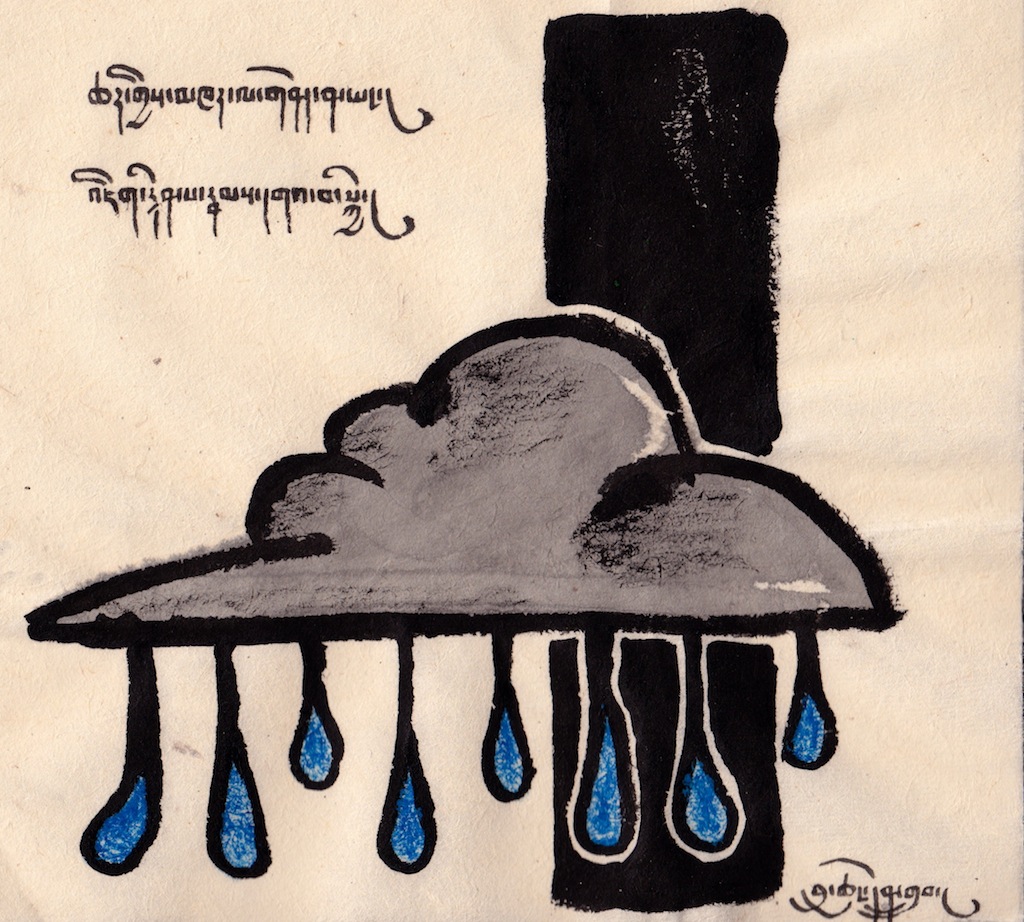
Hurricane Sandy


ཆར་གྱིས་མཁར་ལ་གནོད་ན་ཡང་།།
འཇིག་རྟེན་པ་རྣམས་དགའ་བ་སྐྱེ།།

     - ས་སྐྱ་པཎྜི་ཏ

Even if rain damages a mansion,
It brings joy to worldly beings.

Here comes hurricane Sandy.


Saturday, October 27, 2012

Ideas


བསམ་བློ་ཡག་པོ་གཏོང་།།
བསམ་བློ་མ་བརྗེད་དང་།།
Think a good thought
Don't forget the thought

A drawing / verse I did recently. It's on paper I brought back from Nepal. 

Wednesday, June 29, 2011

My Tibetan


Anybody who has heard me speak Tibetan knows that I have a habit of saying 're wa' (རེད་བ་) a lot; it means something like "right?" or "isn't it?" (or maybe like desune in Japanese).

I'm saying "Lhasa is a nice place, right? Tibet has a lot of yaks, right? It's good, right? Right? Right? Right?" and the bottom text says "My way of speaking, right?"

Saturday, June 18, 2011

Tibetan Calligraphy


For the last few weeks I've been learning Tibetan calligraphy. There a lot of different Tibetan scripts - you can see some cool examples of Tibetan calligraphy here.

Before I could only read and write in a script called U-chan (dbu chan, དབུ་ཅན) which means "with head" because it has a thick horizontal line at the top. This is the script that computers usually have and the one most books are printed in. However, most people can't write it and if they can, it takes a lot of effort like it would to make your handwriting look like a typewriter.

Now I'm learning a script called U-me (bdu med, དབུ་མེད) which means "head-less" because it doesn't have the the thick horizontal line at the top (the "head"). My goal though is to learn the Kyu-yig ('khyug yig, འཁྱུག་ཡིག) script that most people write letters with. It's difficult because there are a lot of short forms for certain letter combinations.


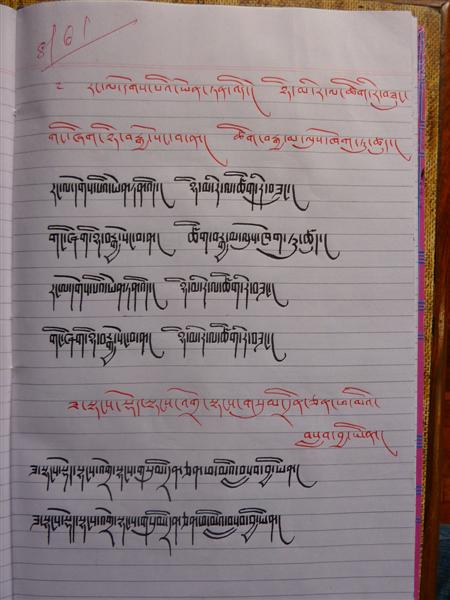
The picture is a page from my lessons. My teacher writes a sentence in red ink and then I re-write it a few times in black. I thought it would be boring and tedious to practice, but it's actually been really relaxing ... 

Friday, June 3, 2011

Wittgenstein in Tibetan


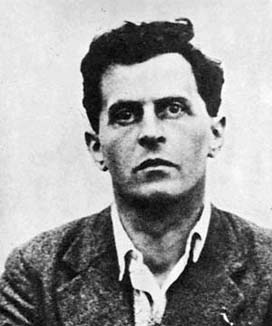
I spend a lot of time talking with Tibetan Buddhist monks who have never read any Western philosophy about philosophy. Recently, I wanted to mention a famous Wittgenstein quote to a Geshe I was talking with. It's the final line from his Tractatus:

"Whereof one cannot speak, one must pass over in silence."

in German:

"Wovon man nicht sprechen kann, darüber muss man schweigen."

So, I thought I'd try my hand at putting it into Tibetan. Here's what I came up with:

གང་ལ་སྐད་ཆ་བཤད་མ་ཐུབ༎
འདི་ལ་ཁ་ཁར་སྡོད་དགོས་ཡོད༎

gang la skad cha bshad ma thub//
'di la kha khar sdod dgos yod//

I tried to put into two seven-syllable lines to make it sound more authoritative and authentic. It literally says something like "Of whatever we can't speak, on this we must stay silent." Before I looked it up, I had misremembered the line as being "Whereof one cannot speak clearly, one must pass over in silence." But I must have added that in myself; the 'clearly' is nowhere in the line. Though it still seems to me like the line would make more sense with the 'clearly' added. (Or maybe I'm revealing how little I really know about Wittgenstein!)


Monday, May 23, 2011

"I Don't Know"


Just playing around with the red pen I found. He says "I don't know" (ཤེས་གི་མེད). I just started some calligraphy lessons, so hopefully my Tibetan writing will start looking a lot better ...

Tuesday, July 6, 2010

English-Tibetan Dictionary


A while ago I inherited the English-Tibetan dictionary hosted at zanwat.org.  I finally got around to getting it updated and online; you can find it at http://www.eng-tib.com/ and also at my website.  It has a little over 1600 words but I've been adding to it as I study.  Right now it displays the Tibetan in transliteration, but I hope to get it to display in unicode Tibetan.

Anyway, if you or someone you know studies Tibetan pass the word along and maybe it can become a nice resource for everyone.

Sunday, May 9, 2010

Another watercolor


Here's another watercolor showing my poor Tibetan brushmanship.  The text is also a line from Gyalse Thogme Zangpo's Thirty-Seven Practices of Bodhisattvas.  It's the first line from the ninth stanza; here is the stanza with a rough translation:

སྲིད་གསུམ་བདེ་བ་རྩྭ་རྩེའི་ཟིལ་པ་བཞིན།།
ཡུད་ཙམ་ཞིག་གིས་འཇིག་པའི་ཆོས་ཅན་ཡིན།།
ནམ་ཡང་མི་འགྱུར་ཐར་པའི་གོ་འཕང་མཆོག།
དོན་དུ་གཉེར་བ་རྒྱལ་སྲས་ལག་ལེན་ཡིན།།

srid gsum bde ba rtswa rtse'i zil pa bzhin
yud tsam zhig gis 'jig pa'i chos can yin
nam yang mi 'gyur thar pa'i go 'phang mchog
don du gnyer ba rgyal sras lag len yin

Happiness in the Three Worlds is like dew on a blade of grass,
In just an instant it is gone.
The supreme unchanging state of liberation,
Strive for this goal!  This is the practice of Bodhisattvas.

Here the "Three Worlds" refers to the worlds of gods, humans, and the nāgas (snake-like spirits that live in the water).  The point is that for all life that is under, on, or above the Earth, happiness is fragile, temporary, and liable to disappear in an instant.  That sounds a little depressing, but the next lines, are more encouraging.  The idea being that if you take a good, hard look at what happiness is like for creatures like us, you end up with a kind of freedom.  In one sense, you at least quit expecting something that life cannot deliver.  But I sometimes find when I think about how the praise or job or novelty I want won't last, I get a better perspective on it and it doesn't seem like such a tragedy if I don't get it.  And when it does come along, I'm more likely to appreciate it and try to share it with others rather than hoarding it for myself.  One of my favorite bands, Do Make Say Think doesn't often sing but I thought they put it nicely in their song "In Mind": 

     When you die,
     You'll have to leave them behind.
     You should keep that in mind.
     When you keep that in mind, 
     You'll find 
     A love as big as the sky

So sadly, I don't seem to be getting much better at watercolors.  I think I'll go back to ink.  That's it for today.  

Friday, April 9, 2010

A Cat's Yawn


This cat I drew says a Tibetan proverb:

          མི་ཚེ་ཞི་མིའི་ཨ་སྟོང་ཙམ་ལས་མེད་པར་སྟོང་ཟད་མ་གཏོང་ལ།
          mi tshe zhi mi'i a stong tsam las med par stong zad ma gtong la

          Human life is just (as short as) a cat's yawn; don't waste it.
人の寿命は単に猫のあくびです。浪費止めて。

Though my Japanese translation is just a guess, but I thought maybe it would work as a Haiku:

人寿命  
ただ猫欠伸
浪費止めて

hito jumyou
tada neko akubi
rouhi yamete

Which as a Haiku in English would be:

The human lifespan
Is only but a cat's yawn
Don't waste it away

I like this proverb and occasionally think about it when I find myself doing some totally trivial task that I don't enjoy anyway ... that's it for wasting time today (at least by blogging!).

Monday, March 22, 2010

Spalding, get your foot off the boat ...


Here's a little watercolor I did a while ago.  As you can see, I write Tibetan the same way I write English - like drunken four year-old with a broken wrist.  Anyway, the Tibetan is from a text I'm reading by Gyalse Thogme Zangpo called The Thirty-Seven Practices of Bodhisattvas.  The line is the first line from the very first stanza after the dedication; here it is with a rough translation:

དལ་འབྱོར་གྲུ་ཆེན་རྙེད་དཀའ་ཐོབ་དུས་འདིར།།
བདག་གཞན་འཁོར་བའི་མཚོ་ལས་བསྒྲལ་བྱའི་ཕྱིར།།
ཉིན་དང་མཚན་དུ་གཡེལ་བ་མེད་པར་ནི།།
ཉན་སེམས་བསྒོམ་པ་རྒྱལ་སྲས་ལག་ལེན་ཡིན།།

dal 'byor gru chen rnyed dka' thob dus 'dir
bdag gzhan 'khor ba'i mtsho las bsgral bya'i phir
nyin dang mtshan du g.yel ba med par ni
nyan sems bsgom pa rgyal sras lag len yin

That great ship of money and free time is hard to find in this life
In order to save yourself and others from the Ocean of Suffering,
Day and night, incessantly and carefully,
Listen, think, and meditate.  This is the practice of Bodhisattvas.

So there you have it.  On a lighter note, you might enjoy this list of funny boat names.  They're pretty bad, but I liked the "Maid of Plywood" ...